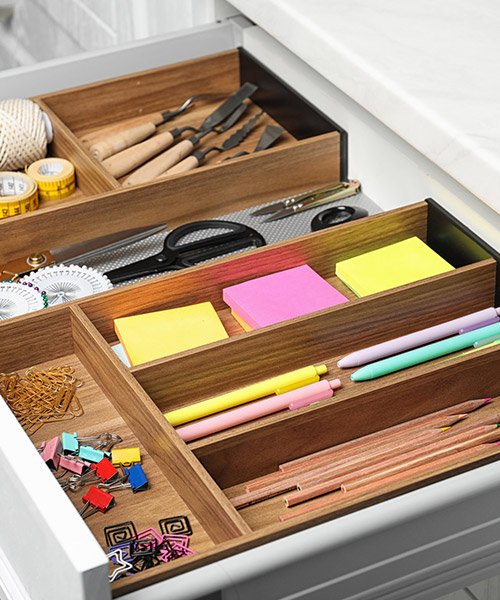





The Spring season often brings cleaning and decluttering to mind. Warmer weather (hopefully) and sunny days make us feel ready to clear our slate. Are you feeling overwhelmed with the prospect of tackling your home? Don’t despair. Here are some tried and true tips and methods for decluttering.
Instead of looking at decluttering as a monumental hurdle, begin to prepare yourself by clarifying why you want to declutter. Is it that you want your home to feel more peaceful, clean and roomy? What is your end goal? How will you expect to feel at the end of your decluttering project? Use the vision of your goal as a way to maintain motivation.
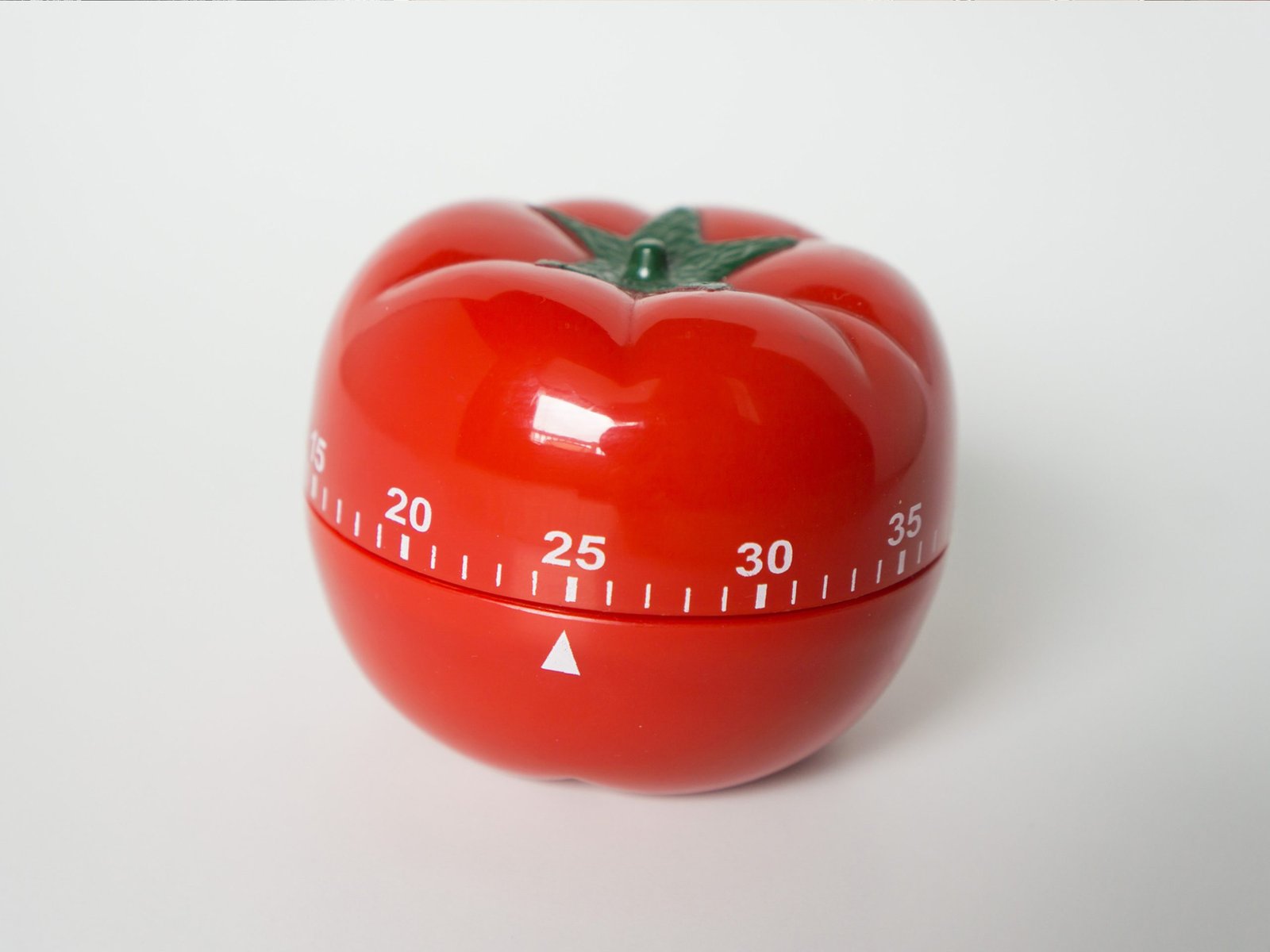
One of the biggest mistakes people make when starting to declutter is seeing the project as a mountain to climb. It is not a to-do list item you cross off, it is a series of small wins that do not have to happen all in one day. Once you are ready to begin the process, start small in a highly used space, like the entry way to your home or a kitchen counter. Use a timer and set a time limit. I suggest you begin with 25 minutes. Once the timer goes off, set the timer for 5 minutes and do something unrelated. If you feel you can do another session, set the timer for another 25 minutes.
The decluttering process involves sorting items by category in the area you are working on. DO NOT leave the area to return items to their homes. This is a surefire way to sap your energy and lose focus on your goal. Sort the clutter into containers or bags labeled, Donate, Discard and Deliver. Donations can be made with a trip to a thrift store in your area. Discarding items may be as simple as taking items out to the trash or recycling. And only deliver items to their home or room once you finish sorting.
While sorting you may come across items that aren’t as simple as donate, discard and deliver. It could be that you don’t know what to do with an item or the item brings up strong emotions. If you truly can’t categorize an item, you can get another container and label it with a “?”. Many years ago while sorting a pile of clutter with a client, we came across sonogram images from a pregnancy that ended as a miscarriage. My client was distraught and wasn’t ready to discard the images. I suggested that we honor the loss by finding a container we could put them in so that she wouldn’t be taken off guard again. Putting items that spark an emotional response into a container is called creating an E-Box. This is an effective technique for processing items that bring up feelings that zap your stamina.
Once you have cleared one small area and it feels “done,” stand back and admire your handiwork. It is important to acknowledge your wins, so that you can fan the flames of motivation.
If you are unsure of where to start in your own home, here is a list to jumpstart your decluttering journey in the kitchen:
- Junk drawer
- Utensils
- Coffee cups and mugs
- Water bottles (You can keep your favorites)
- Damaged tupperware or tupperware without a matching lid
- Take out containers from restaurants
- Chipped plates & cups
- Scratched pots and pans
- Expired food
Once you finish these decluttering projects in the kitchen, consider moving onto decluttering toiletries in the bathroom or a bookcase in the living room. Wherever you start, make sure to make it small and use a timer! Once decluttering becomes a habit or a routine, you will find that it takes less time to do it. Timed sessions can end up being 10 to 15 minutes, rather than 25 minute sessions.
Ask for help if you need it, a friend or a family member, may be able to help you make sorting decisions or act as a cheerleader as you declutter. But if you cannot think of anyone that will help you without judgement, consider hiring a professional organizer. Organize Me Inc is here to provide expert, compassionate support—contact us today to get started!